










Har ki Dun Trek

7D/6N

from $ 10000

$ 12000

17 % off

Best Price Guaranteed

Transport Included
Meals Included
Stay Included
Permits
Trekking Guide
Camping

Har ki Dun Highlights

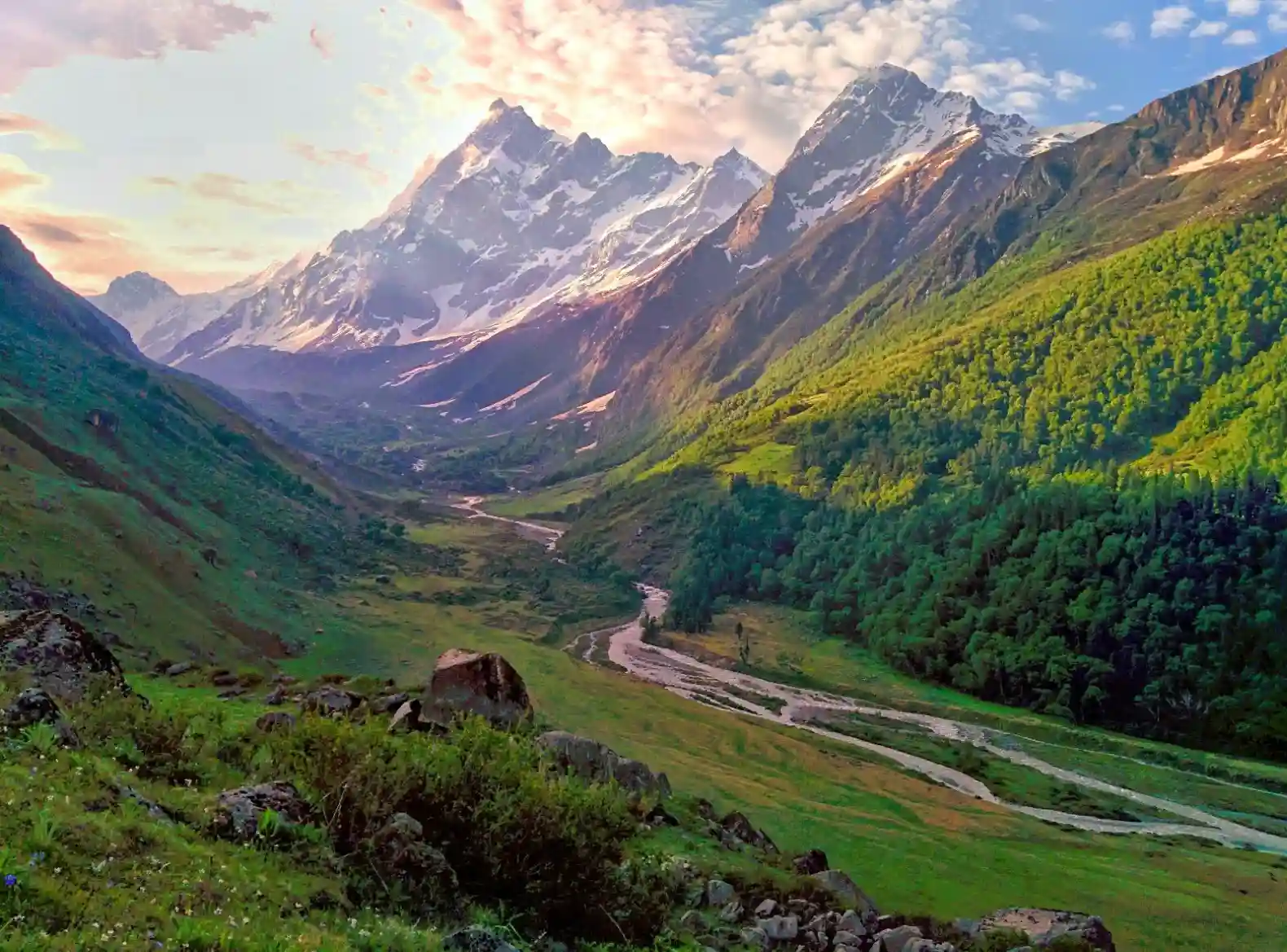
  • Witness Swargarohini peak, known as the mythic “path to heaven,” from the heart of Har Ki Dun valley.​
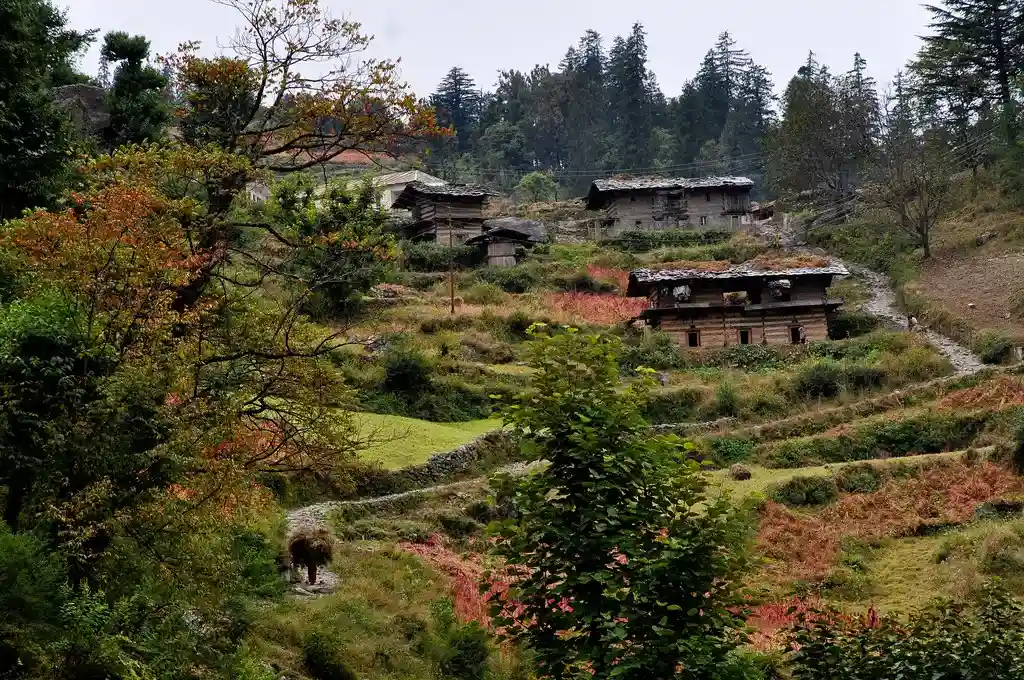
  • Explore ancient Himalayan villages like Osla and Gangad, preserving centuries-old culture and temples.​
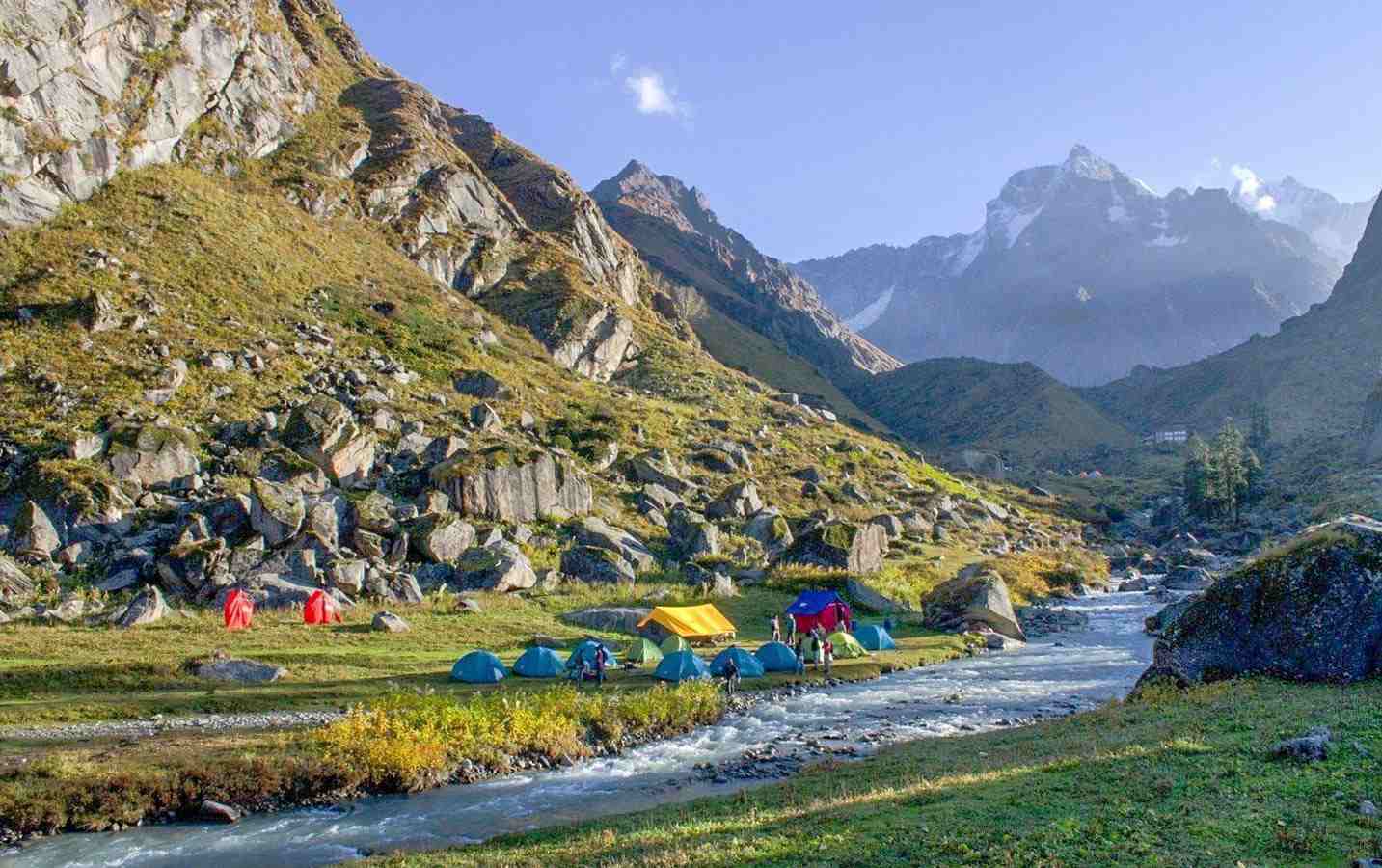
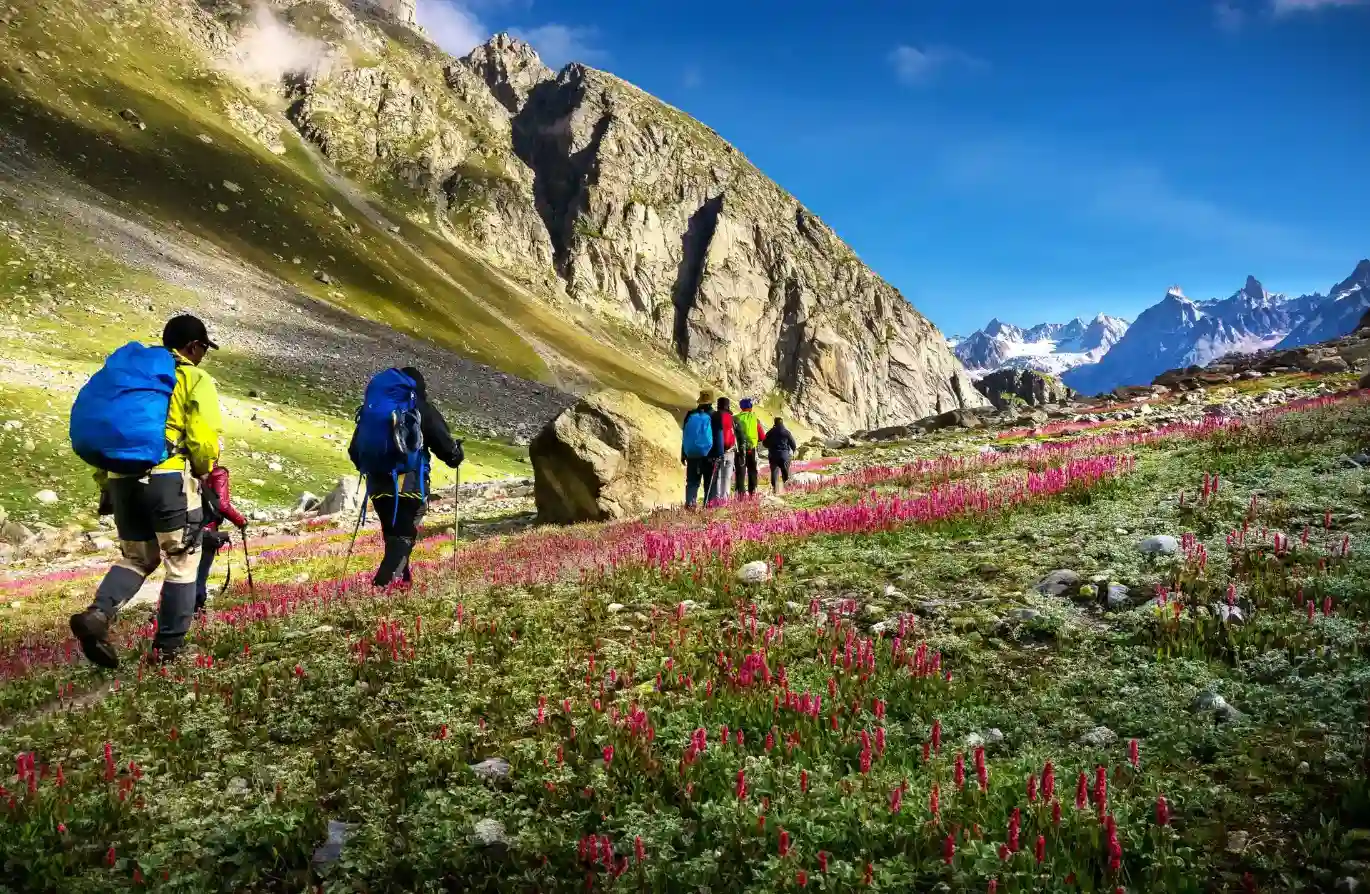
  • Trek through lush alpine meadows, pine forests, and crystal-clear rivers in Govind Wildlife Sanctuary.​
  • Spot rare Himalayan wildlife, from musk deer to monals, in the untouched Garhwal landscapes.​
  • Experience the spiritual calm of the “Valley of Gods,” a blend of legend, serenity, and natural grandeur.

About Har ki Dun Trek

Known as the Valley of Gods, the Har Ki Dun Trek is among the most picturesque and culturally rich journeys in the Garhwal Himalayas of Uttarakhand. Nestled within the serene Govind Pashu Vihar National Park and Sanctuary, this cradle-shaped valley rests at an altitude of about 11,675 ft (3,566 m), offering a rare blend of Himalayan wilderness, deep-rooted legends, and tranquil beauty.​ Steeped in mythology, Har Ki Dun is believed to be the very route the Pandavas took on their way to heaven, as described in the Mahabharata. The valley retains a living connection to this heritage through its rustic villages like Osla and Seema, where locals still inhabit traditional wooden homes and preserve their distinct Jaunsari Garhwali culture, languages, and customs.​

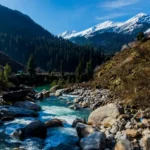
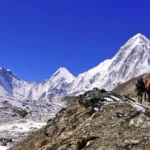
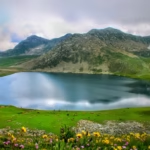
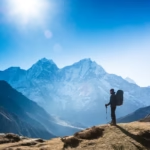
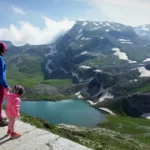
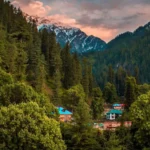
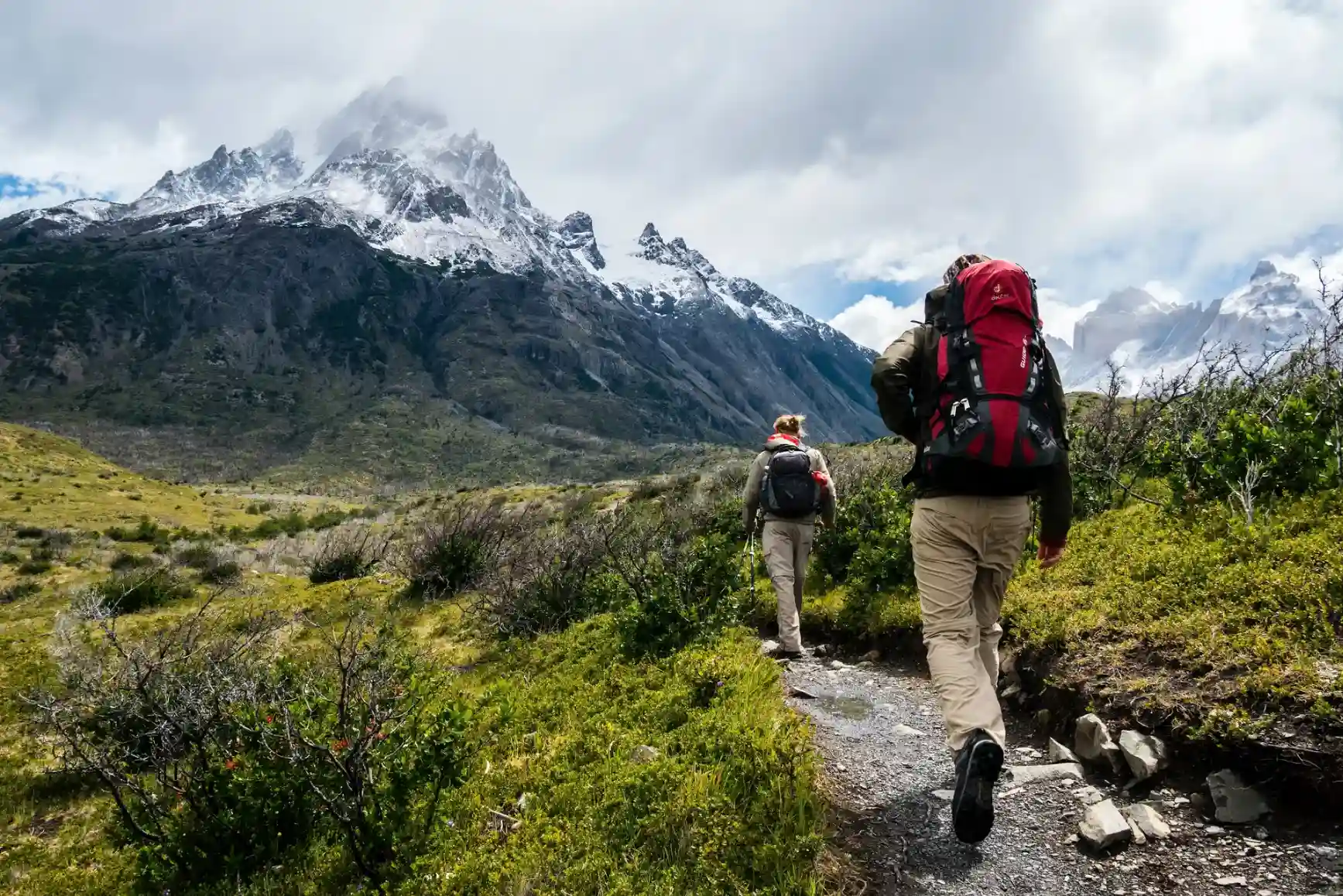
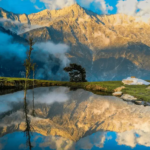
The trail unfolds through fragrant pine and oak forests, blooming alpine meadows, and sparkling rivers that mirror the surrounding snow-capped peaks. Each day of the trek introduces a new landscape—peaceful glacial streams, open meadows, or snowy ridgelines—with mesmerizing views of Swargarohini, Bandarpoonch, and Black Peak dominating the skyline. Beyond its dramatic vistas, the region is home to incredible biodiversity, including Himalayan monals, musk deer, and vibrant alpine flora.​

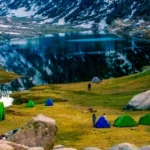
Classified as a moderate-level trek, Har Ki Dun is suitable for both enthusiastic beginners and seasoned trekkers seeking a serene adventure. Spanning roughly 7 days and 44–47 km, the journey starts from the quaint base village of Sankri (6,400 ft) and winds gently upward through Taluka, Gangad, and Osla, before reaching the majestic Har Ki Dun Valley. The route offers pristine riverside campsites, breathtaking sunrise views, and a soothing escape from the noise of daily life.​

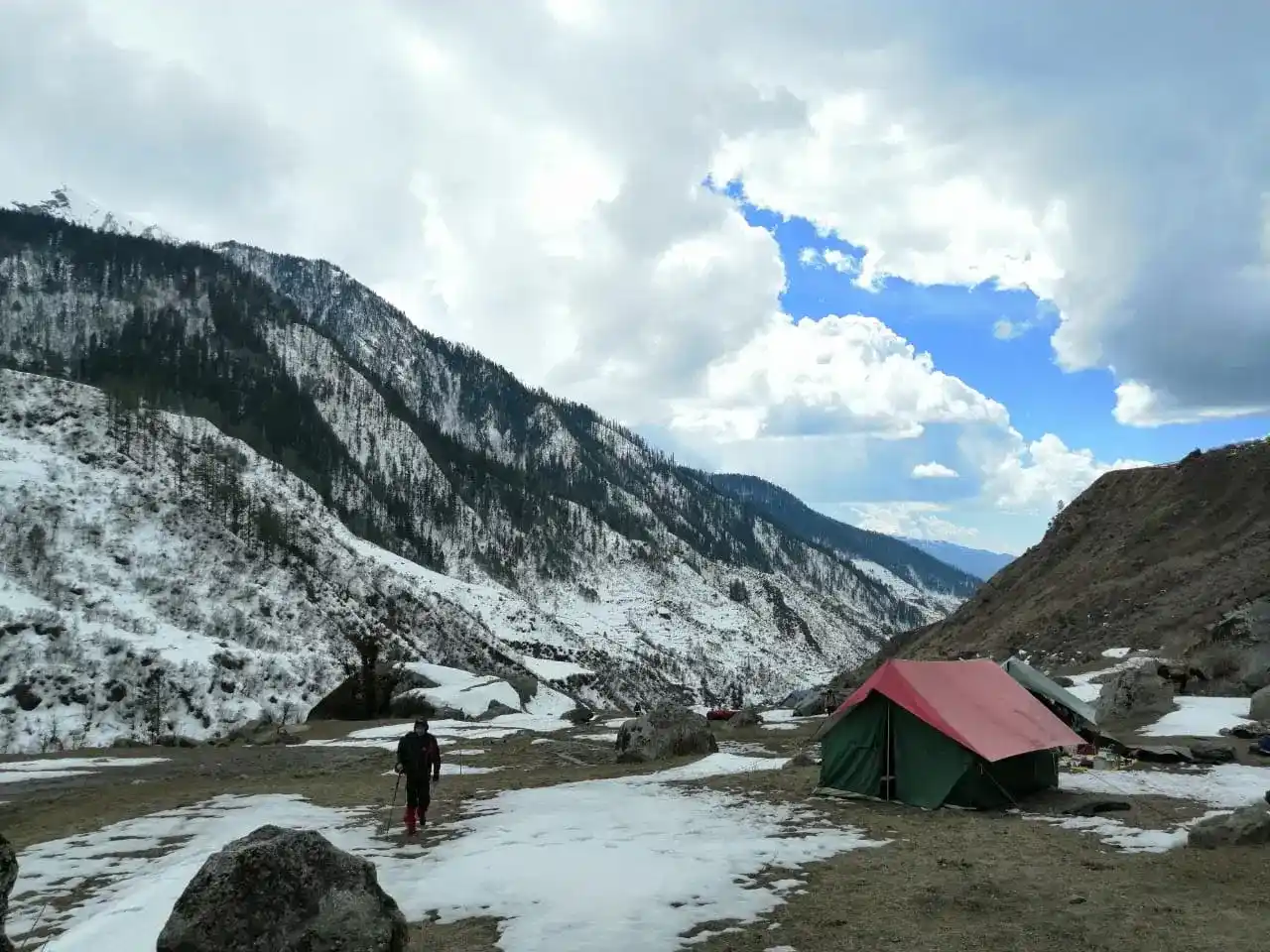
The best time to visit varies by season. From April to June, trekkers witness blooming wildflowers, clear blue skies, and lush green valleys. Between December and April, the valley transforms into a snow-clad dreamscape, ideal for those seeking winter charm and solitude.​ If you seek a Himalayan experience where adventure meets mythology, and where every step reveals a deeper connection with nature and history, the Har Ki Dun trek offers exactly that. From its divine legends to its untouched beauty, this valley embodies the soul of the Himalayas. ✨ Embark on your Har Ki Dun adventure with Travlofy—and uncover the timeless wonder of the Valley of Gods, where myths live and mountains whisper ancient stories.
Quick Facts
  • Region / Country - Uttarkashi district, Uttarakhand, India
  • Duration - 7 Days / 6 Nights
  • Highest Altitude - 11,600 ft (3,536 m) at Har Ki Dun Valley
  • Difficulty Level - Easy to Moderate
  • Approx Total Trek Distance - 43–47 km
Read More

Day 1: Dehradun to Sankri (6,400 ft / 1,950 m)

  • Distance: 220 km
  • Time: 9–10 hours by road
  • Accommodation: Guesthouse / Homestay

Your journey begins with a scenic drive from Dehradun to Sankri, passing through the hill towns of Mussoorie, Purola, Mori, and Netwar. The drive follows the winding course of the Tons River, offering stunning mountain views and lush pine forests. On reaching Sankri, check into your accommodation, enjoy a hearty dinner, and rest for acclimatization.

Day 2: Sankri to Taluka (6,800 ft) and Trek to Seema / Osla (8,500 ft)

  • Drive Distance: 12 km (1 hour)
  • Trek Distance: 10–11 km
  • Time: 5–6 hours trek
  • Accommodation: Forest campsite or homestay

After breakfast, a short jeep ride takes you to Taluka, where your trek begins. The trail runs alongside the Supin River, passing wooden bridges, waterfalls, and deodar forests. You’ll trek through quaint villages like Gangad before reaching Seema (or Osla) for the night. Osla is known for its beautiful wooden houses and the ancient Someshwar Temple dedicated to Lord Shiva.

Day 3: Seema / Osla to Har Ki Dun Valley (11,600 ft / 3,536 m)

  • Trek Distance: 10–11 km
  • Time: 6–7 hours
  • Accommodation: Campsite at Har Ki Dun

This is the most anticipated day of the trek. The trail climbs gradually through terraced fields, alpine meadows, and rhododendron forests. As you ascend, panoramic views of Swargarohini I & II, Bandarpoonch, and Black Peak unfold. By afternoon, you’ll arrive at the breathtaking Har Ki Dun Valley, surrounded by snow-capped mountains and the sacred Har Ki Dun Temple.

Day 4: Exploration Day at Har Ki Dun

  • Optional Hikes: Jaundhar Glacier (12,800 ft) or Maninda Tal
  • Accommodation: Campsite

This day is reserved for exploration and relaxation. Take an acclimatization walk to nearby Jaundhar Glacier or Maninda Tal, or simply bask in the serenity of the valley. The open meadows, glacial streams, and 360° mountain views create an unforgettable experience. Capture sunrise and sunset photography as the peaks turn shades of gold and crimson.

Day 5: Har Ki Dun to Seema / Osla

  • Trek Distance: 10 km
  • Time: 5 hoursAccommodation: Campsite / Homestay

Retrace your steps through the same scenic trail back to Seema. The descent is gentle and offers different perspectives of the valley, making it perfect for photography and quiet reflection. Enjoy local hospitality and the charm of Himalayan village life at night.

Day 6: Seema / Osla to Taluka and Drive Back to Sankri

  • Trek Distance: 10 km
  • Time: 4–5 hours
  • Accommodation: Guesthouse / Homestay in Sankri

After breakfast, trek down to Taluka, crossing rivers and bridges while enjoying the cool mountain air. From Taluka, return by vehicle to Sankri, concluding the trekking portion. The evening offers free time to explore the local market and indulge in a delicious local dinner.

Day 7: Sankri to Dehradun

  • Distance: 220 km
  • Time: 8–10 hours by road

Bid farewell to the mountains as you drive back to Dehradun, retracing the scenic route through the Garhwal region. Expect to reach Dehradun by evening between 6:00 PM – 7:00 PM.

Highlights of the Journey

  • Riverside trails along the Supin River.
  • Unique wooden architecture in Osla village.
  • Towering views of Swargarohini, believed to be the path to heaven in the Mahabharata.
  • Immersive experience in Garhwali culture and mythology.
  • Easy-to-moderate grade, suitable for beginners with basic fitness.

Day 1:

Pickup from Dehradun Railway Station at 7:00 AM; drive to Sankri via Mussoorie, Purola, Mori, and Netwar along the Tons River.
Distance: 220 km | Duration: 9–10 hours
Altitude: 6,400 ft | Overnight Stay: Guesthouse / Homestay in Sankri

Day 2:

Drive from Sankri to Taluka, then begin trek to Seema / Osla through deodar forests and riverside trails.
Drive Distance: 12 km | Trek Distance: 10–11 km | Trek Time: 5–6 hours
Altitude: 8,500 ft | Overnight Stay: Forest Campsite / Homestay

Day 3:

Trek from Seema / Osla to Har Ki Dun Valley through alpine meadows and rhododendron forests, with views of Swargarohini and Black Peak.
Trek Distance: 10–11 km | Trek Time: 6–7 hours
Altitude: 11,600 ft | Overnight Stay: Campsite at Har Ki Dun

Day 4:

Explore Har Ki Dun Valley; optional hikes to Jaundhar Glacier or Maninda Tal, or enjoy photography and rest amid the peaks.
Altitude: Up to 12,800 ft | Overnight Stay: Campsite at Har Ki Dun

Day 5:

Descend from Har Ki Dun to Seema / Osla, retracing the scenic trail through forests and meadows.
Trek Distance: 10 km | Trek Time: 5 hours
Altitude: 8,500 ft | Overnight Stay: Campsite / Homestay

Day 6:

Trek from Seema / Osla to Taluka and drive back to Sankri; evening free to explore local market and enjoy dinner.
Trek Distance: 10 km | Drive Distance: 12 km | Duration: 5–6 hours
Altitude: 6,400 ft | Overnight Stay: Guesthouse / Homestay in Sankri

Day 7:

Drive from Sankri to Dehradun, passing through the beautiful Garhwal region.
Distance: 220 km | Duration: 8–10 hours
Altitude: 2,150 ft | Trip Ends at: Dehradun (Evening arrival around 6–7 PM)

The Har Ki Dun trek is suitable for individuals aged roughly 15 to 60 years, depending on physical fitness. It is open to all adventure enthusiasts who have a moderate level of trekking experience or fitness and do not have chronic health conditions that trekking at high altitudes may aggravate.

Before starting the trek, ensure you’re medically fit and free from severe respiratory, heart, or joint issues. A routine medical check-up is recommended.
You should be able to:

  • Jog or brisk walk 4–5 km in 30–40 minutes without strain.
  • Carry a backpack weighing 8–10 kg for several hours.
    If you have any medical conditions, please consult your doctor and inform the Travlofy team in advance.

  • Cardiovascular exercises such as brisk walking, jogging, cycling, or swimming at least 4-5 times a week
  • Strength training for legs and core muscles
  • Practice hikes with a loaded backpack
  • Stretching exercises to improve flexibility and reduce injury risk

  • Moisture-wicking base layers to manage sweat
  • Insulating fleece or down jacket for warmth at night and high altitude
  • Waterproof rain jacket and trekking pants
  • Warm hat, gloves, and a scarf or buff
  • Trekking shoes with ankle support and good grip; camp shoes or sandals for rest periods
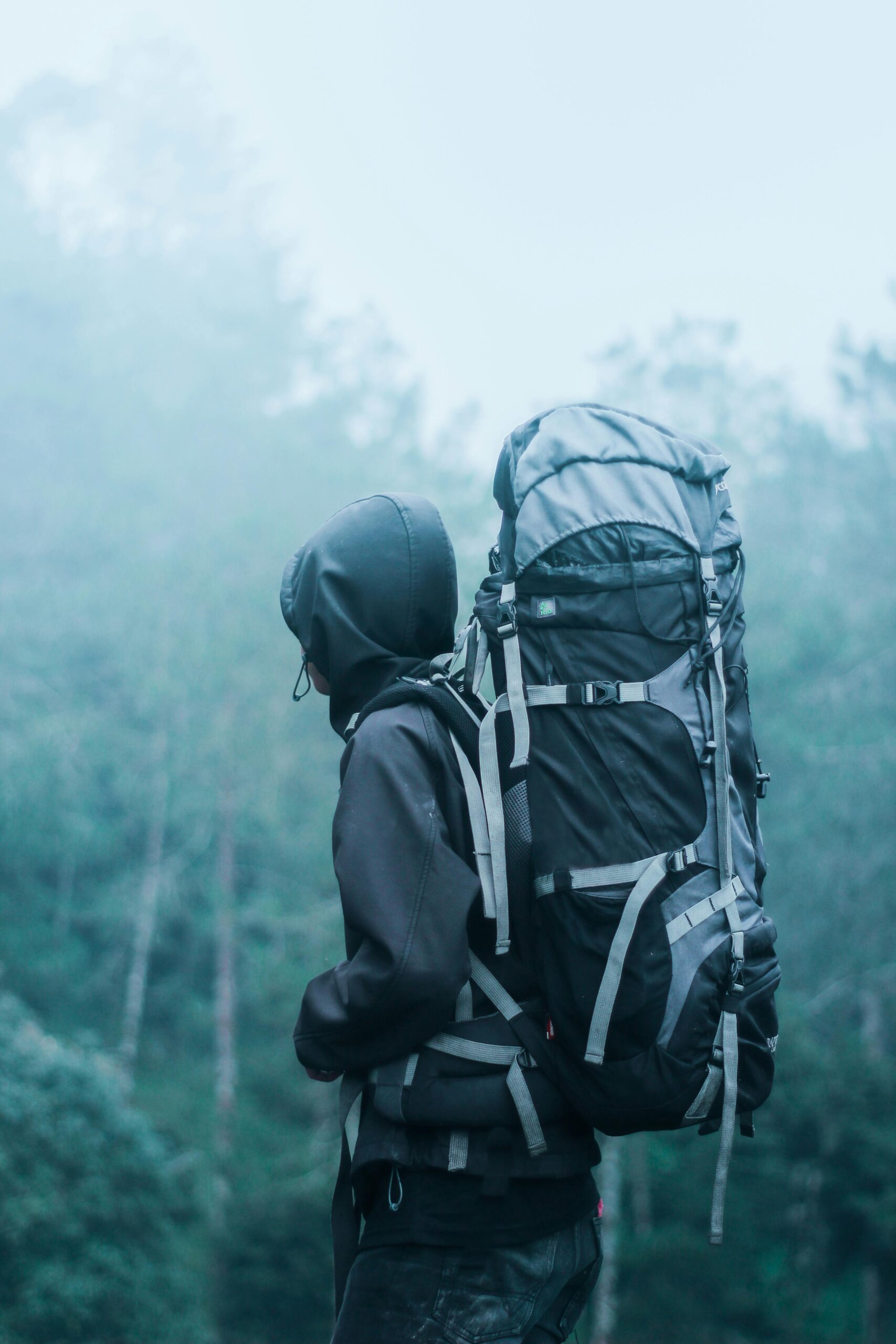
  • Comfortable backpack (40-50 liters) with rain cover
  • Sleeping bag suitable for cold weather
  • Trekking poles for stability
  • Headlamp or torch for night use
  • Water bottles or hydration bladder (2 liters capacity)
  • Personal medical kit, sunscreen, sunglasses, and insect repellent
  • Energy bars and snacks
  • Essential camping gear if camping independently (tent, sleeping pad, stove, etc.)

  • Government-issued ID proof (Aadhar card, passport, or driver’s license)
  • Trekking permits which are usually arranged by the organizer
  • Medical certificates if required or personal fitness documents
  • Emergency contact information

Har Ki Dun trek weather is mostly pleasant during spring (March to May) and autumn (October to November). In October, daytime temperatures can be around 7°C and drop to -1°C at night. Weather can change rapidly with chances of rain or sudden cold, so layering is important. Carry woollens and shoes with good grip due to slick terrain after rainfall.

  • Trek with a certified guide or group for safety and navigation
  • Acclimatize properly to avoid altitude sickness
  • Stay hydrated and eat well-balanced meals
  • Use trekking poles to reduce knee strain
  • Avoid sudden, strenuous exertion and take breaks
  • Carry basic first aid and emergency supplies
  • Beware of slippery paths, river crossings, and wildlife encounters

  • Stay positive and patient through physical challenges
  • Embrace the simplicity of nature and disconnect from urban stress
  • Prepare for unpredictable weather and trail difficulties
  • Maintain a cooperative spirit within the trekking group
  • Enjoy the serene Himalayan environment and learn from the cultural richness

Maintaining discipline is crucial on the Har Ki Dun trek. Trekkers must respect fellow hikers, guides, and locals by avoiding any form of aggressive behavior, including verbal or physical altercations. Follow instructions given by trek leaders without argument, and refrain from damaging trekking equipment or littering. Failure to maintain discipline may result in removal from the trek and forfeiting certificates or refunds.

Tread lightly to preserve the pristine Himalayan environment. Avoid littering by carrying your waste back to base camp or designated disposal areas. Stick to marked trails to minimize damage to local flora and prevent soil erosion. Use eco-friendly products and avoid plastic as much as possible to protect wildlife and the natural beauty of the valley.

Camp only in authorized sites or designated areas. Respect local regulations regarding fire usage, ensuring fires are extinguished completely. Keep noise levels low to maintain the tranquility of the mountain environment. Leave the campsite cleaner than you found it, and avoid disturbing wildlife or vegetation near the accommodation zones.

Har Ki Dun reaches altitudes around 11,600 feet, where altitude sickness can occur. Acclimatize gradually, drink plenty of water, and avoid overexertion. Watch for symptoms like headache, nausea, dizziness, or breathlessness and inform your guide immediately if you feel unwell. Do not ascend faster than advised and prioritize safety over reaching any summit.

Maintain hygiene to prevent illness—wash hands frequently, use sanitizers, and carry personal hygiene items. Drink clean, boiled, or treated water to avoid gastrointestinal issues. Carry a basic medical kit including blister care, pain relievers, and altitude sickness medicine. Rest adequately to recover from physical exertion each day.

Har Ki Dun is in a region rich with cultural heritage. Show respect by observing local customs, dressing modestly when visiting villages, and seeking permission before photographing people or religious sites. Support the local economy by purchasing goods or services locally. A respectful attitude enhances both your experience and the well-being of host communities

Know the emergency plan before you start—understand communication methods and nearest medical facilities. Carry contact numbers of your trekking agency and local emergency services. In case of injury or altitude sickness, stay calm, administer first aid, and coordinate evacuation with guides. Never hesitate to turn back if health deteriorates.

Do: Pack light but include essentials like layers, rain gear, and a first aid kit. Follow your guide’s advice and respect group pace. Stay hydrated and eat balanced meals. Do keep your permits and ID handy.

Don’t: Wander off trails alone, litter, or ignore safety warnings. Avoid loud noises that disrupt wildlife or other trekkers. Don’t push beyond your limits or neglect acclimatization needs.

Inclusions

  • Road transfer from Dehradun (railway station/airport) to Sankri and return at the end of the trek.
  • Accommodation in guesthouse/homestay at Sankri (Day 1 and Day 6) and camping/tent-stay during trek nights (Days 2–5).
  • All meals from dinner on Day 1 through breakfast on Day 7 (vegetarian menu) during the trek.
  • Experienced trek leader, trained support staff, forest permit & local village entry/camping charges.
  • Basic group first‐aid kit and on-trail emergency support.
  • Standard camping gear: tents, sleeping bags (rated for mountain conditions), mats.
  • Route map, pre-trek briefing and campsite servicing.

Exclusions

  • Any travel or stay in Dehradun before Day 1 or after Day 7.
  • Personal trekking gear (e.g., trekking shoes, poles, personal down jacket), luggage packing/unpacking services, and porters for personal bags unless specified.
  • Insurance (trekking, evacuation or personal accident) — strongly recommended to be taken by the participant.
  • Extra meals/snacks, beverages (tea, coffee, soft drinks) beyond the basic meals included, or personal expenses such as laundry, WiFi/phone/internet charges.
  • Tips/gratuity for guides or staff, any additional days or changes due to weather or other unforeseen circumstances.
  • Any cost incurred due to evacuation or rescue in case of medical emergencies, high‐altitude sickness or route deviation.
  • Camera/Drone permits (if required) and any cost related to optional adventures/excursions not included in the standard itinerary.

Har ki Dun Trek Policies

Cancellation Policy

Bookings can be canceled by the traveler prior to the trek start date.
Cancellations made 15 days or more before the trek departure will incur a 10% administrative fee.
Cancellations made 7–14 days before departure will incur a 25% cancellation fee.
Cancellations made less than 7 days before departure are non-refundable.
Trek cancellations due to unforeseen circumstances like extreme weather or natural calamities will be communicated promptly, and rescheduling or partial refund options may be offered.

Refund Policy

Refunds will be processed within 7–10 business days after receiving a valid cancellation request.
Refunds are issued to the original mode of payment used during booking.
Any bank or transaction charges applicable during refund processing will be deducted from the total refundable amount.
Refund eligibility is subject to adherence to the cancellation timeline mentioned above.

Confirmation Policy

All bookings are confirmed only after full payment or as per agreed payment terms.
Upon successful booking, travelers will receive a confirmation email or message containing the booking details, trek itinerary, and any other relevant instructions.
Travelers may be required to provide identity proof for verification prior to the trek.

Payment Terms Policy

A 50% advance is required at the time of booking to secure your spot, with the remaining 50% to be paid 15 days prior to the trek start date.
Payments can be made via bank transfer, UPI, credit/debit cards, or online payment gateways.
Bookings made within 7 days of departure require full payment upfront.
Failure to complete payments within the specified deadlines may result in automatic cancellation of the booking.

Har ki Dun Trek FAQ's

1. What is the difficulty level of the Har Ki Dun Trek?
The Har Ki Dun Trek is classified as an easy to moderate trek — making it accessible to beginners who have some basic fitness, and also enjoyable for experienced trekkers. The trail gradually ascends, with manageable daily distances of around 5-7 hours of walking, and no technical climbing or ropes required. That said, it still occurs at altitude (reaching over 11,500 ft / 3,500 m), so it’s important to pace yourself, stay hydrated, and listen to your body.
2. When is the best time to do the trek?
The best windows for trekking Har Ki Dun are: Spring-summer (April to June): Clear skies, lush greenery, wildflowers in bloom. Post-monsoon/autumn (September to November): Dry trails, excellent views of snow-capped peaks, and golden valley hues. Monsoon (July-August) is less recommended due to risks of landslides or swollen rivers. In winter (December to February) you’ll experience deep snow and a different kind of beauty, but it demands more preparation and proper gear.
3. Do I need permits or a guide for the Har Ki Dun Trek?
Yes, you will need to obtain the necessary forest/park entry permits for the trek, as the route passes through protected regions. Hiring a guide is strongly recommended (and often required by local regulations or your trek operator) to ensure safety, logistics, and local knowledge — although technically an experienced trekker may attempt it independently with proper planning.
4. What kind of accommodation and facilities can I expect on the trek?
Accommodation usually involves a mix of homestays or guesthouses at the starting/ending village (e.g., at Sankri) and tent-campsites during the trek in the higher valley. Facilities beyond the basic are limited — expect simple meals, shared tents, basic sanitation. Mobile connectivity is sparse or non-existent up in the valley, so plan accordingly.
5. Is this trek safe for beginners, children or older trekkers?
Yes, Har Ki Dun is one of the more beginner-friendly treks in Uttarakhand because of its gradual gradients and well-marked trail. With that said: Children (typically 10+ years) can join if they’re reasonably fit and under supervision. Older trekkers can also do it provided they are in good health and have prepared well. As always, follow your guide’s instructions, acclimatize properly, and carry sufficient gear.

from $ 12000

$ 10000

17% off

Best Price Guaranteed

Got a Question?

Our Destination expert will be happy to help you resolve your queries for this tour.

+91 7877195924

Why Choose Travlofy

  • All in one platform
  • Transparent & Hassle-Free
  • Authentic, Local Experiences
  • Curated for Every Traveller
  • Seamless Digital Booking
  • Memories Over Itineraries

    We assure the privacy of your contact data.

    This data will only be used by our team to contact you and no other purposes.

    Maps & Location

    Starting Point
    Sankri
    Sankri, Uttrakhand

    Har ki Dun Trek Reviews

    3.9
    Based on 13 reviews
    5
    6
    4
    3
    3
    2
    2
    1
    1
    1
    User
    Henry
    Reviewed: 01 Oct 2025
    4.0/5

    Booked Burj Khalifa Tickets At the Top 124th 125th Floor

    Great experience on burj khalifa and especially suggestion for skip the queue and goto 148th floor. Saved lot of time by skipping queues and great view from 148th floor. Also free lounge access on 148th floor with unlimited tea,coffee and baklava.

    User
    Henry
    Reviewed: 01 Oct 2025
    3.0/5

    Booked Burj Khalifa Tickets At the Top 124th 125th Floor

    Great experience on burj khalifa and especially suggestion for skip the queue and goto 148th floor. Saved lot of time by skipping queues and great view from 148th floor. Also free lounge access on 148th floor with unlimited tea,coffee and baklava.

    User
    Noah
    Reviewed: 01 Oct 2025
    4.0/5

    Booked Burj Khalifa Tickets At the Top 124th 125th Floor

    Great experience on burj khalifa and especially suggestion for skip the queue and goto 148th floor. Saved lot of time by skipping queues and great view from 148th floor. Also free lounge access on 148th floor with unlimited tea,coffee and baklava.

    User
    Olivia
    Reviewed: 01 Oct 2025
    2.0/5

    Booked Burj Khalifa Tickets At the Top 124th 125th Floor

    Great experience on burj khalifa and especially suggestion for skip the queue and goto 148th floor. Saved lot of time by skipping queues and great view from 148th floor. Also free lounge access on 148th floor with unlimited tea,coffee and baklava.

    User
    Jone
    Reviewed: 01 Oct 2025
    1.0/5

    Booked Burj Khalifa Tickets At the Top 124th 125th Floor

    Great experience on burj khalifa and especially suggestion for skip the queue and goto 148th floor. Saved lot of time by skipping queues and great view from 148th floor. Also free lounge access on 148th floor with unlimited tea,coffee and baklava.

    User
    Marry
    Reviewed: 01 Oct 2025
    4.0/5

    Booked Burj Khalifa Tickets At the Top 124th 125th Floor

    Great experience on burj khalifa and especially suggestion for skip the queue and goto 148th floor. Saved lot of time by skipping queues and great view from 148th floor. Also free lounge access on 148th floor with unlimited tea,coffee and baklava.

    Need Help Planning Your Trip?

    Our travel experts are here to help you plan the perfect vacation. Request a callback and we'll get in touch with you shortly.